Category: Comments & Discussion Points
-
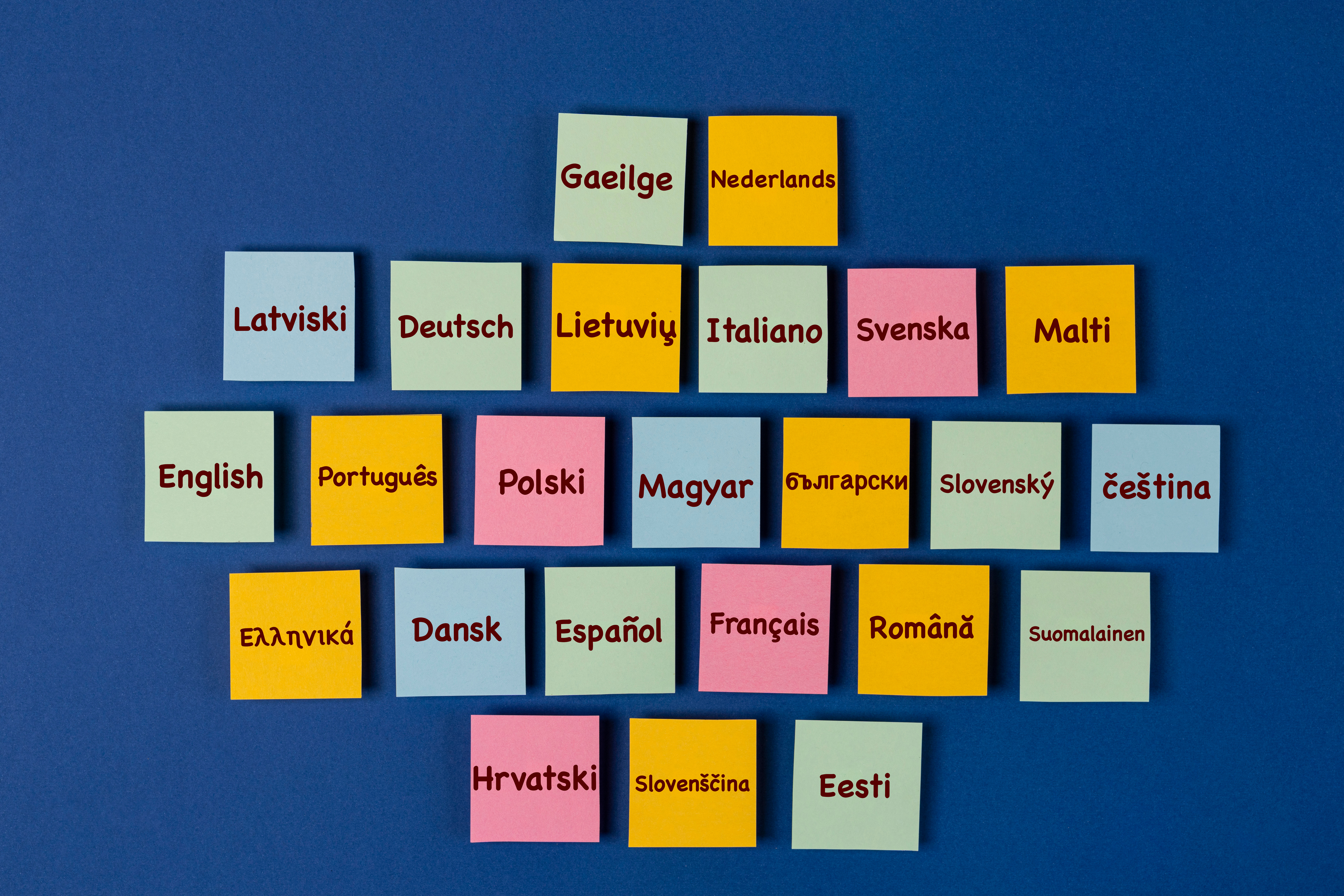
Languages unite, but will AI make them more equal?
For the 2026 European Day of Languages, I explore what “Languages unite!” means when our linguistic choices are increasingly mediated by AI technology.
-

Two Failures, One Habit: On the Arday Case
The Arday scandal is about more than plagiarism and DEI. It reveals what can happen when institutions leave difficult questions and accountability to those who will answer them on their own terms.
-

Jan Blommaert’s “Looking back: What was important?”
Shortly before his death, Jan Blommaert wrote what I consider one of the most profound accounts of what it means to be an academic — a searching reflection on ethics, knowledge, and what makes a scholarly life worth living. I am republishing it here, with full attribution, from his now-defunct blog Ctrl-Alt-Dem.
-

Every Language Is Someone’s World: Reflections on International Mother Language Day 2026
On International Mother Language Day, the real question is not which language we speak first, but what kinds of linguistic worlds we choose to protect.
-
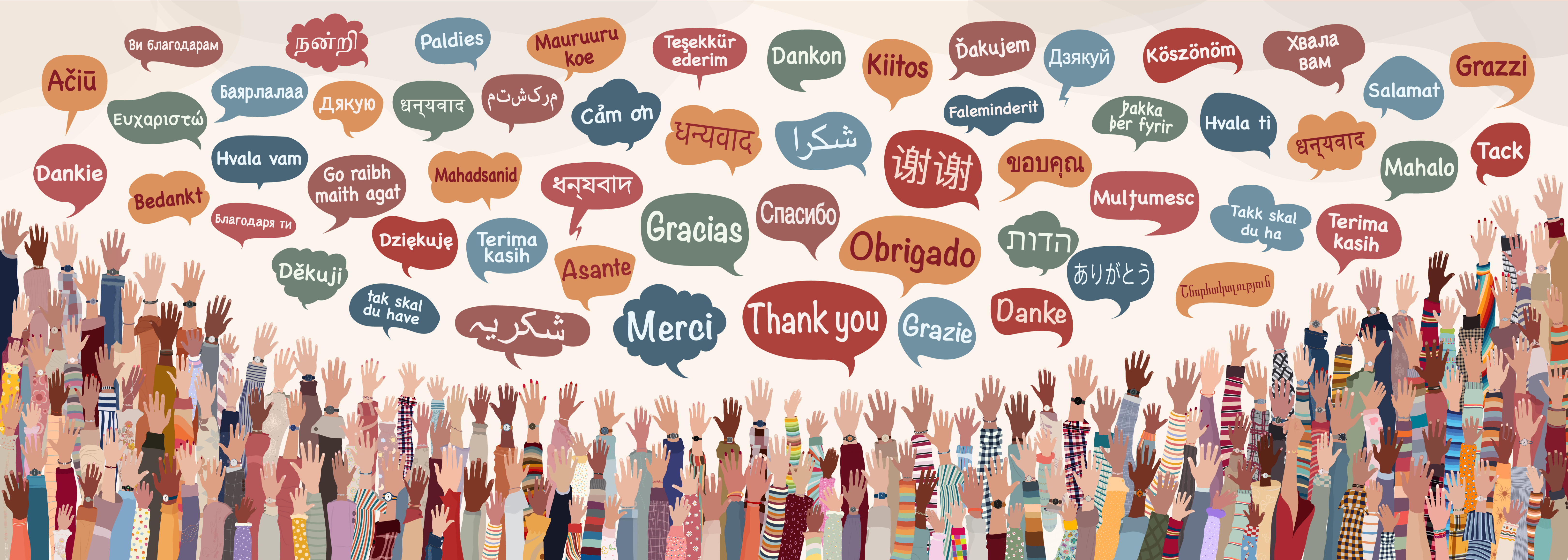
Silence, Power, and Language Policy in Higher Education
Language policy in higher education is rarely neutral. This post explores how unspoken assumptions about language reproduce power and inequality, and why universities need to be more intentional.
-

Epistemic Vigilance in Language Education: Thinking with Machines
When a conversation with ChatGPT about blog analytics turned unexpectedly philosophical, it led me to reflect on epistemic vigilance ( i.e., the practice of questioning, testing, and refining knowledge) and its role in language teacher education.
-

European Day of Languages 2025: What Are We Really Celebrating?
Beyond posters and slogans, what does the European Day of Languages really mean? This post reflects on how we might move from symbolic recognition to genuinely sustaining the plurality of voices that shape contemporary Europe.
-

Rethinking language textbooks: Language, Ideology, and Liquid Racism
Textbooks aren’t neutral. They shape how learners see language, culture, and identity while reinforcing hidden ideologies in education. This post explores how educators can critically engage with language textbooks to foster inclusion, justice, and critical awareness in the classroom.
-

Using Linguistic Landscapes to Challenge Monolingual Norms in ELT
The post aims to challenge monolingual practices in language education. Drawing on a recently published study (Schvarcz & Warren, 2025) it argues that recognizing students’ linguistic backgrounds fosters engagement and inclusion.