Category: Language Teaching & Learning (All)
-
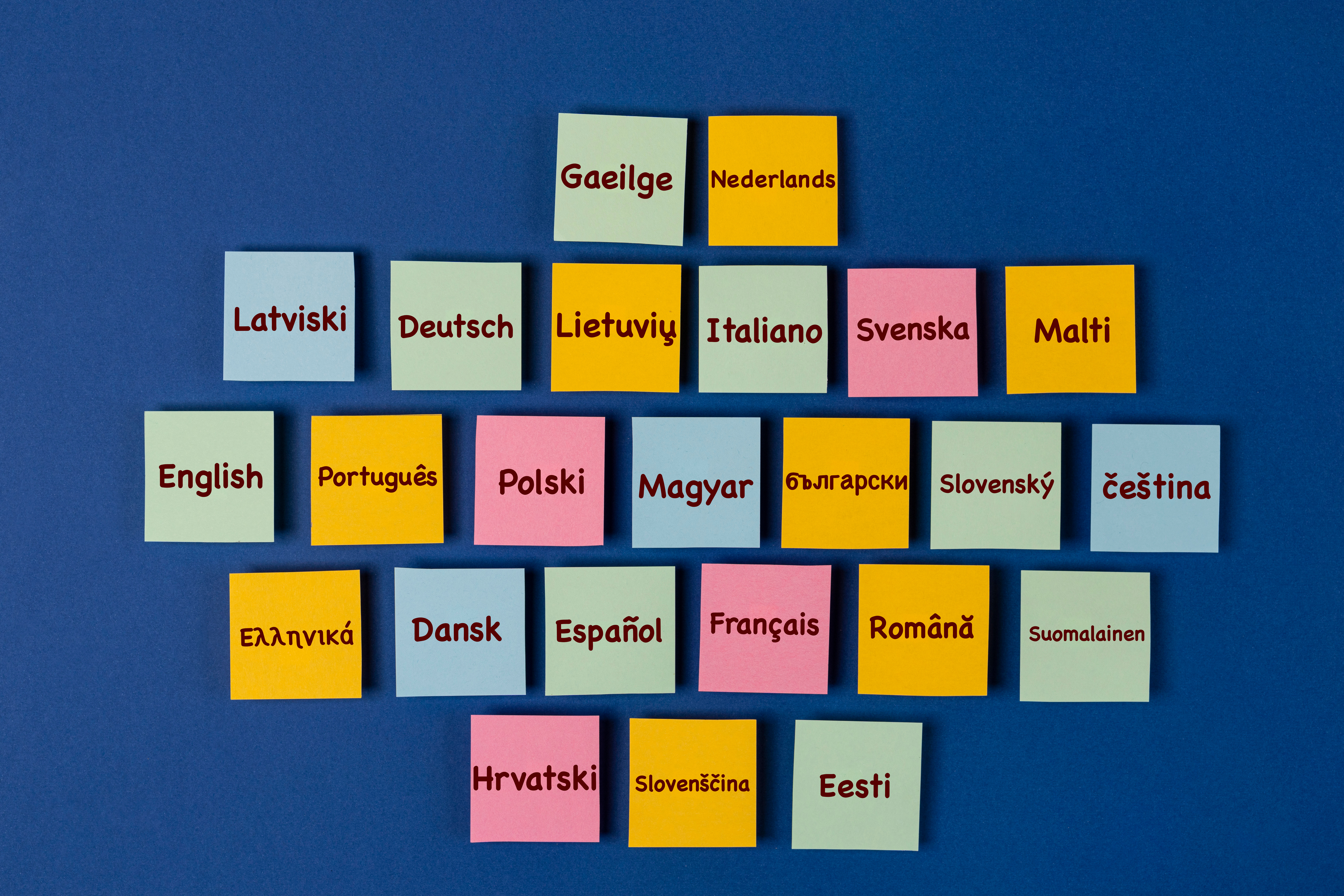
Languages unite, but will AI make them more equal?
For the 2026 European Day of Languages, I explore what “Languages unite!” means when our linguistic choices are increasingly mediated by AI technology.
-

What Russian Speakers Find Hard About Greek (According to Their Teachers)
In a newly published chapter, Eleni Motsiou and I ask experienced teachers what makes Modern Greek difficult for speakers of Russian. Their answers say as much about how teachers know things as about the two languages.
-

Intentionality, Language Education and Complex Dynamic Systems
This post introduces intentionality, a concept that helps us rethink how complex dynamic systems are constructed in language education research.
-

Inclusion beyond translation: A conversation with Maria Cioé-Peña
What can a teacher do when thirty children bring different languages, cultures, and needs into the same classroom? Drawing on a ReaLiTea podcast, this post considers culturally sustaining pedagogy, multilingual ecologies, multimodal meaning-making, and the unresolved gap between inclusive principles and classroom practice.
-

AI-Assisted Teacher Reflection: Thinking Before, During, and After the Lesson
Teaching has always required reflective practice. This post explores how artificial intelligence can support three types of teacher reflection (before, during, and after the lesson) drawing on Farrell’s framework and the AI Lang guidelines.
-

AI in Language Education: Notes from an International Panel
Rapid adoption of AI is not the same as thoughtful use. Reflecting on an international panel discussion, this post explores what AI asks in terms of learning, judgement, ethics, and accountability.
-

Building an Ethical Framework for AI in Language Education: The AI Lang Guidelines
What does it mean to use AI well in a language classroom, not just effectively, but ethically? This post introduces the AI Lang framework: four principles, eight guidelines, and thirty-five competence descriptors for the ethical use of AI in language education.
-
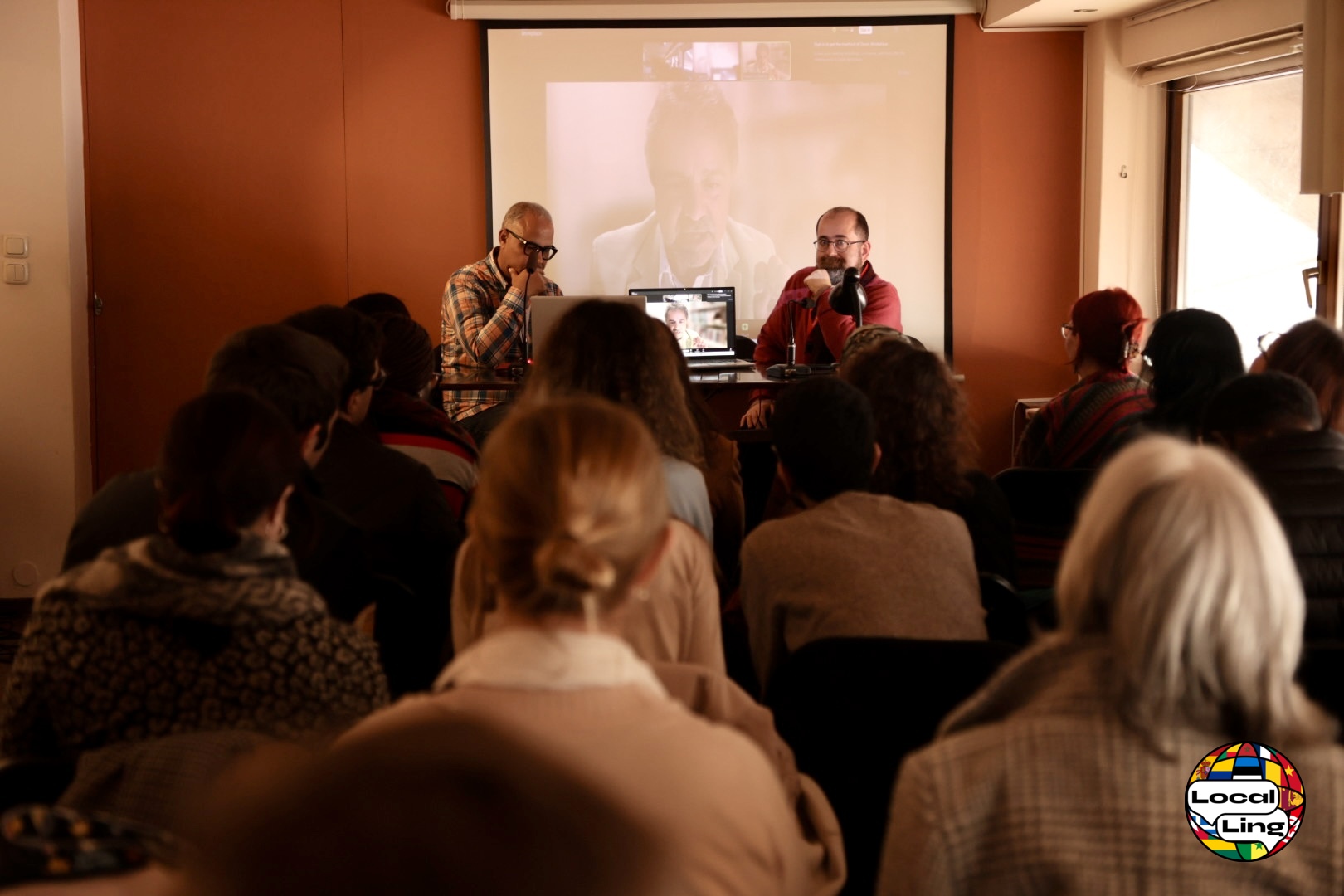
Notes from a Book Presentation: Language Politics in Tunisia
A reflection on presenting Language Politics in Tunisia and what Tunisia’s linguistic ecology reveals about language, identity and power.
-
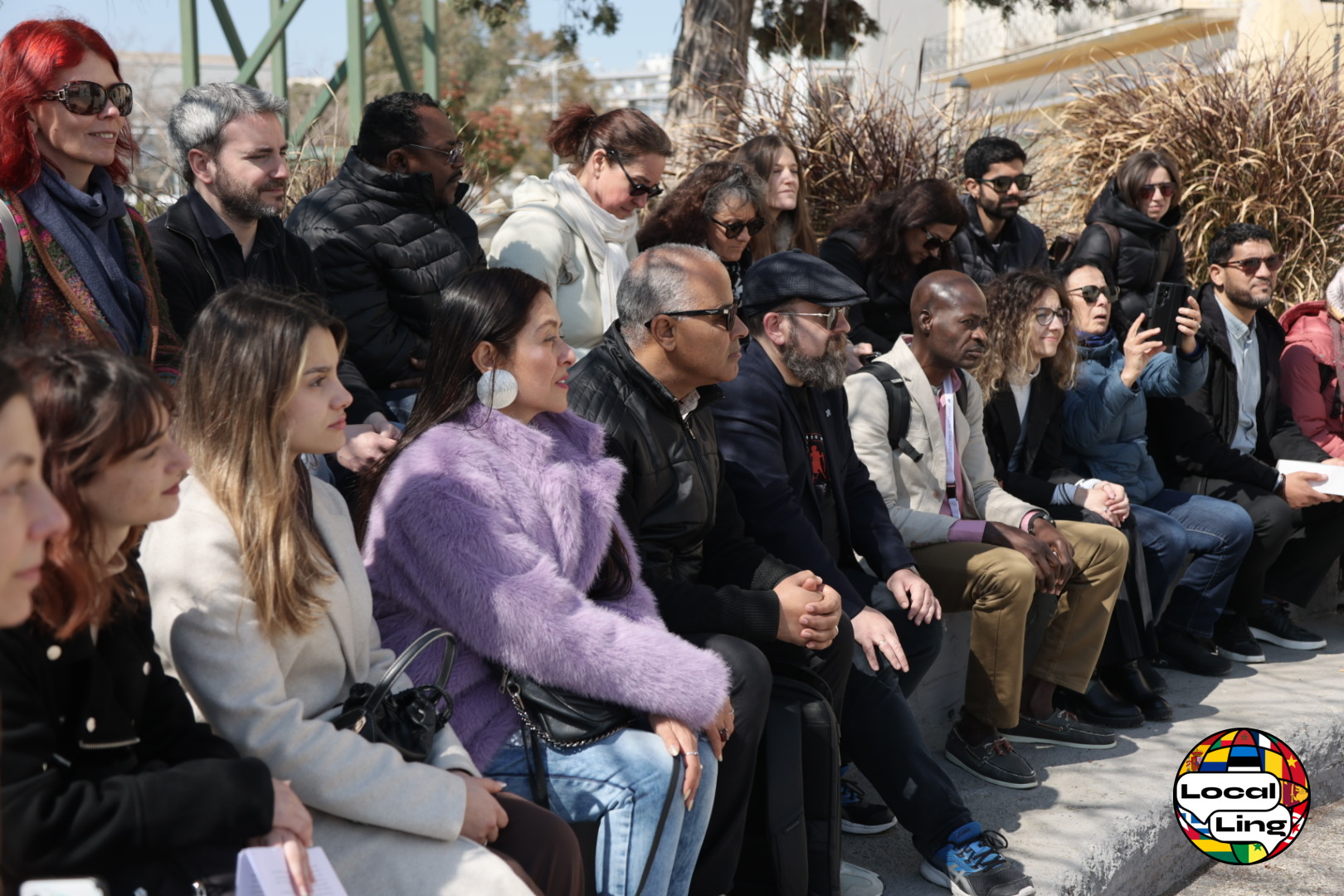
LocalLing, Week 2
An overview of the second week of the LocalLing meeting in Volos (9th – 12th March 2026). Learning new things, enjoying a book presentation, and taking part in a linguistic landscape walk!