Category: All topics
-

Reflective writing and AI: what is the reflective text for?
Generative AI can produce reflective prose on demand. What, then, is reflective writing for in language teacher education? Notes on writing as thinking.
-
Modernisation for whom? Reading Greece’s foreign-language reform
A short report presents Greece’s foreign language reform as a “system-wide modernisation”. Read closely, the reform speaks the language of multilingualism while organising itself around English, pilots AI before governing it, and leaves open questions about evidence, materials, and teacher readiness.
-

October 2026: Notes on Ends and Unexpected Angles
As manuscripts get completed and research projects approach their end, I reflect on unexpected perspectives and unrealised possibilities. Written from a rainy Heidelberg.
-

Teachers who research, researchers who teach: A new issue of Kontexte
A new issue of Kontexte looks at research-based learning in the education of teachers of German.
-
Bilingualism and Multilingualism at the Intersections of Art, Science, and Technology (CCERBAL 2027)
I will be delivering a keynote address at the CCERBAL 2027 conference, this is the call for papers, and I’d love to see you there, in person or virtually.
-
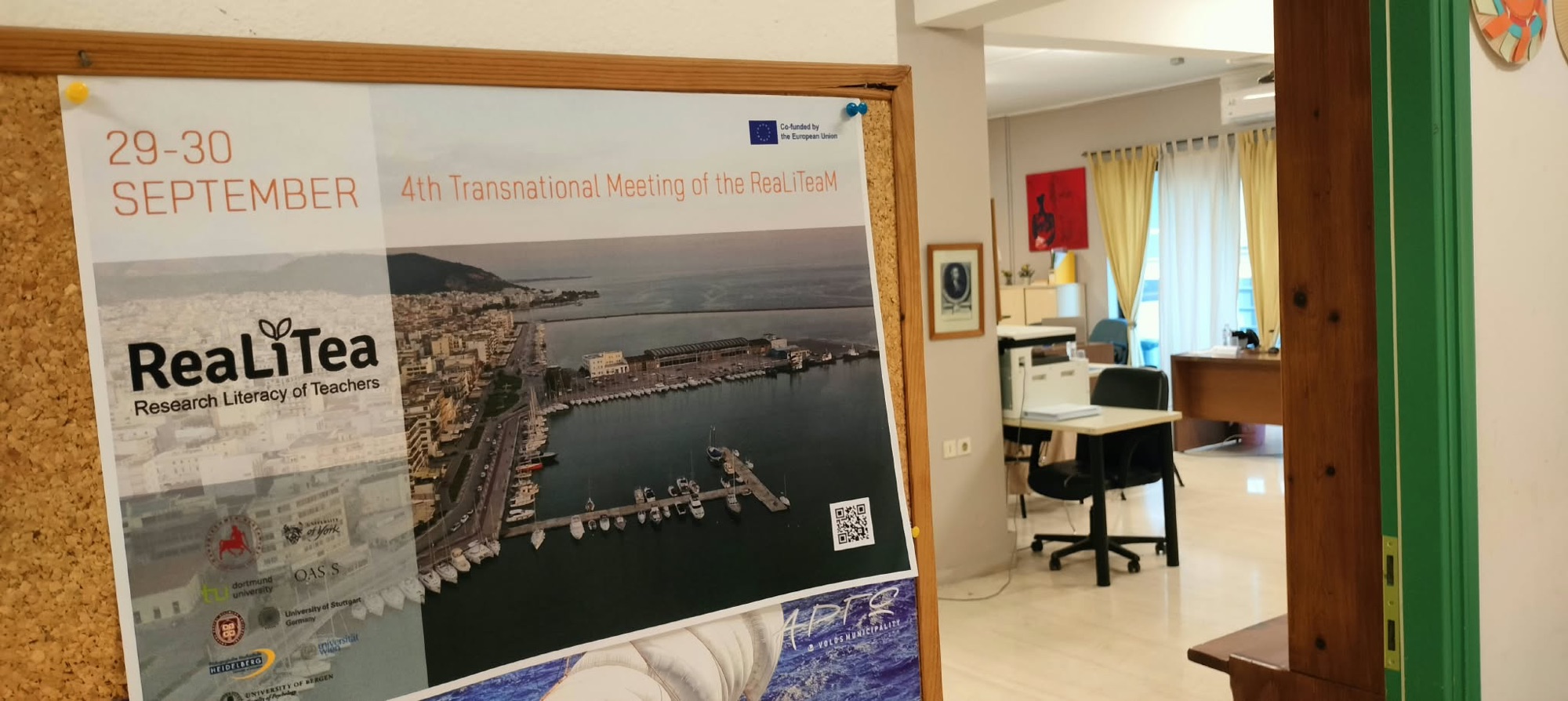
Wrapping up the ReaLiTea project
The Research Literacy of Teachers (ReaLiTea) project ends in December 2026. Here’s a sneak peak of the materials we’ve been producing. Feel free to look around, and let us know how we can make them more useful and relevant to your needs.
-

September 2026: Notes on Care (Besorgen and Fürsorge)
Notes on September 2026: a finished chapter and a finished manuscript, an AI Literacy meeting in Graz, ReaLiTea’s final stretch, LocalLing visits from Cameroon to Tallinn, and a sabbatical that keeps filling up with travel.
-

How to write a peer review
Notes on writing peer reviews that help editors decide and authors act, and honest thoughts on where AI can, and can’t, responsibly help.
-

The Knowledge Infrastructure Language Education Never Built
Language teachers generate potentially useful knowledge every day, but much of it never travels beyond the classroom. What might language education learn from other professions about transforming individual experience into shared professional knowledge?