Category: Language Teaching & Learning (All)
-

International Mother Language Day 2019
Facts, figures and thoughts regarding linguistic diversity, globally and in Greece.
-

Complexity Theory & Language Development: A review of Ortega & Han (2017)
The Linguist List has published my review of ‘Complexity Theory and Language Development. You can read a revised version of the review in this post.
-

Becoming Research Literate: Supporting Teacher Research in ELT
Daniel Xerri and Ceres Pioquinto have put together an edited collection on research literacy for language educators (Becoming Research Literate: Supporting Teacher Research in ELT), which is free to download. This post describes the book, and my own contribution to it, and includes a link to download the book.
-

Describing a school as a complex system
In this extract from my book, A Language School as a Complex System, I discuss why it makes sense to describe a school through the lens of complex systems theory, and I outline some advantages that such a perspective brings.
-

Working with refugee-background learners
I recently wrote about a project (Critical Skills for Life and Work) we did at the University of Graz, which aimed to help people with a refugee or migrant background with their professional integration. One of the things I did, as part of my involvement in the project, was to familiarise myself with existing literature…
-

Complexity theory in language education – What is it?
This extract from my book ‘A Language School as a Complex System’ discusses what complex systems are and why it they are useful when thinking about language education.
-

CLIL and Immersion: Some differences
This post discusses differences between CLIL and bilingual immersion programmes.
-

Critical Skills for Life and Work
An overview of the Critical Skills for Life and Work project, an EU-funded initiative helping highly skilled refugees develop professional intercultural communication skills. The flexible toolkit uses a plurilingual approach to support workplace integration across five career stages.
-
Disrupting Geographical Borders in Language Education
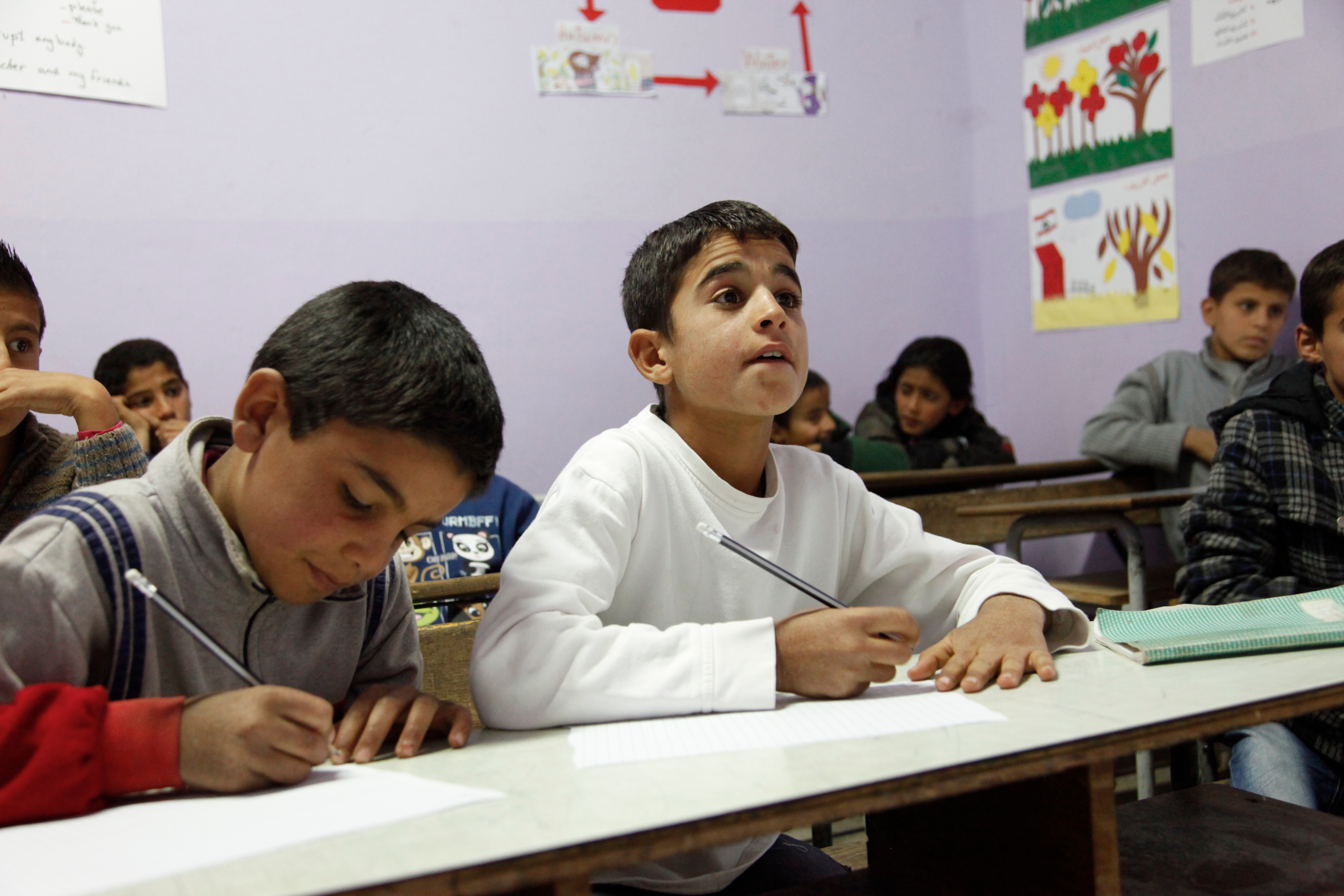
The three next chapters in Challenging Boundaries in Language Education, problematise how the changing composition of language classroom impacts the professional roles and identities of teachers. These chapters look into superdiverse urban settings, explore the identity construction of teachers, and describe a teacher education programme that prepares language educators to help refugee-background learners.